
How to Exercise Safely During a Heat Wave
Climate change is affecting more than the weather. Our summers are getting hotter and hotter, and outdoor activities and exercise are quite literally becoming more difficult to do given the recent heat waves. Not only is the temperature higher, but humidity levels have also been increasing for Canadians.
If you've ever gone out in 30° weather, you probably know it's challenging to really be active at that temperature. It's not just because you feel uncomfortable, but for your body to stay cool, your performance actually has to take a hit!
In the heat, your heart beats faster as your blood vessels dilate to help release heat through your skin - this is also why you may find yourself getting red in the face when in high heat situations! And the higher the humidity, the harder it is for your sweat to evaporate and cool your body down.
When you're exercising in a hot and humid environment, your heart needs to work harder even though you may be exercising at the same intensity as normal, and you're sweating more, which can lead to dehydration.
If you're mildly to moderately dehydrated, you may find yourself:
Feeling thirsty,
Having a dry or sticky mouth,
Having dry, cool skin,
Having a headache,
Getting muscle cramps, and/or
Not urinating much or having darker-colored urine.
Being even slightly dehydrated can make you feel sick or exhausted, and puts you at greater risk of heat stress and heat exhaustion, or even a medical emergency from heat stroke.
Heat stress can be sneaky, but if you know what to look for, you can fight back before it turns into heat exhaustion. Muscle cramps are often the first indicator of electrolyte imbalances, while feeling abnormally fatigued or short of breath disproportionate to your effort level suggests your body's cooling system is working overtime. Heat stress can also suppress your appetite, and you may find yourself not refueling adequately, leading to poor recovery.
If you've missed the signs of heat stress and didn't take a break to rehydrate and rest, you may find yourself experiencing heat exhaustion.
Heat exhaustion symptoms include:
Headache,
Dizziness or lightheadedness,
Weakness,
Dark urine,
Cool, moist skin, and/or
Nausea and vomiting.
So, now that we know why it can a) seem so much harder to work out or be active in the heat, and b) why it's dangerous, what can we do to help keep a consistent and sustainable fitness routine during summer’s hot weather?
If you are exercising outside or somewhere without air conditioning, try breaking up a longer workout into multiple shorter ones. Two 20-minute runs might be more sustainable in the heat than a 40-minute one.
Head indoors! If you’re a walker, try going to the mall to walk instead of outside. If you’re into running, hot weather is the perfect time to crosstrain in an air-conditioned gym. Too hot to head out of the house? Try Y@HOME’s on-demand workouts!
Stay consistent, but don’t worry about the intensity. When it’s hot, a sustainable fitness routine should be consistent, but you may need to shorten the length of time you work out or the speed and effort you regularly put in to reduce your risk of dehydration and heat stress.
Recover with hydrating foods! Coconut water and melons are a refreshing snack and will help you recover electrolytes lost during your workout, while a post-workout smoothie can help you re-hydrate while providing protein. Check out our meal plans for high-protein smoothie inspiration!
Avoid exercising during the hottest part of the day – usually between 10am and 6pm during the peak of summer.
Check the humidex or combination of temperature and humidity. You can find it in most weather apps under “It feels like x°.” When the humidex reaches 30°, we begin to feel discomfort and enter a "caution zone" for outdoor activities. Once it hits 40°, exercising or doing strenuous activities outdoors just becomes dangerous.
Adequately hydrate. It’s not enough to drink water after your workout – you should be sipping throughout the day, before, during and after physical activity.
Listen to your body. When it’s hot, you may not be able to work out for as long or as hard as usual. Take breaks when needed, keep to the shade and drink when you’re thirsty.
Make sure to wear appropriate gear. Loose, lightweight, breathable clothing in light colours will help keep you cooler. Moisture-wicking fabric can also help cool you faster. While cotton is breathable, it will absorb your sweat and will feel like you’re wearing a soggy towel. Don’t forget to wear sun protection!
Get a good sleep. Poor sleep can reduce your body’s ability to regulate its internal temperature effectively, which can result in poor heat regulation and make dehydration and heat stress more likely to happen.
Y@HOME's Favourite Indoor Workouts for Hot Weather
These short, low-intensity workouts are perfect to keep a consistent fitness routine during summer's heat waves.
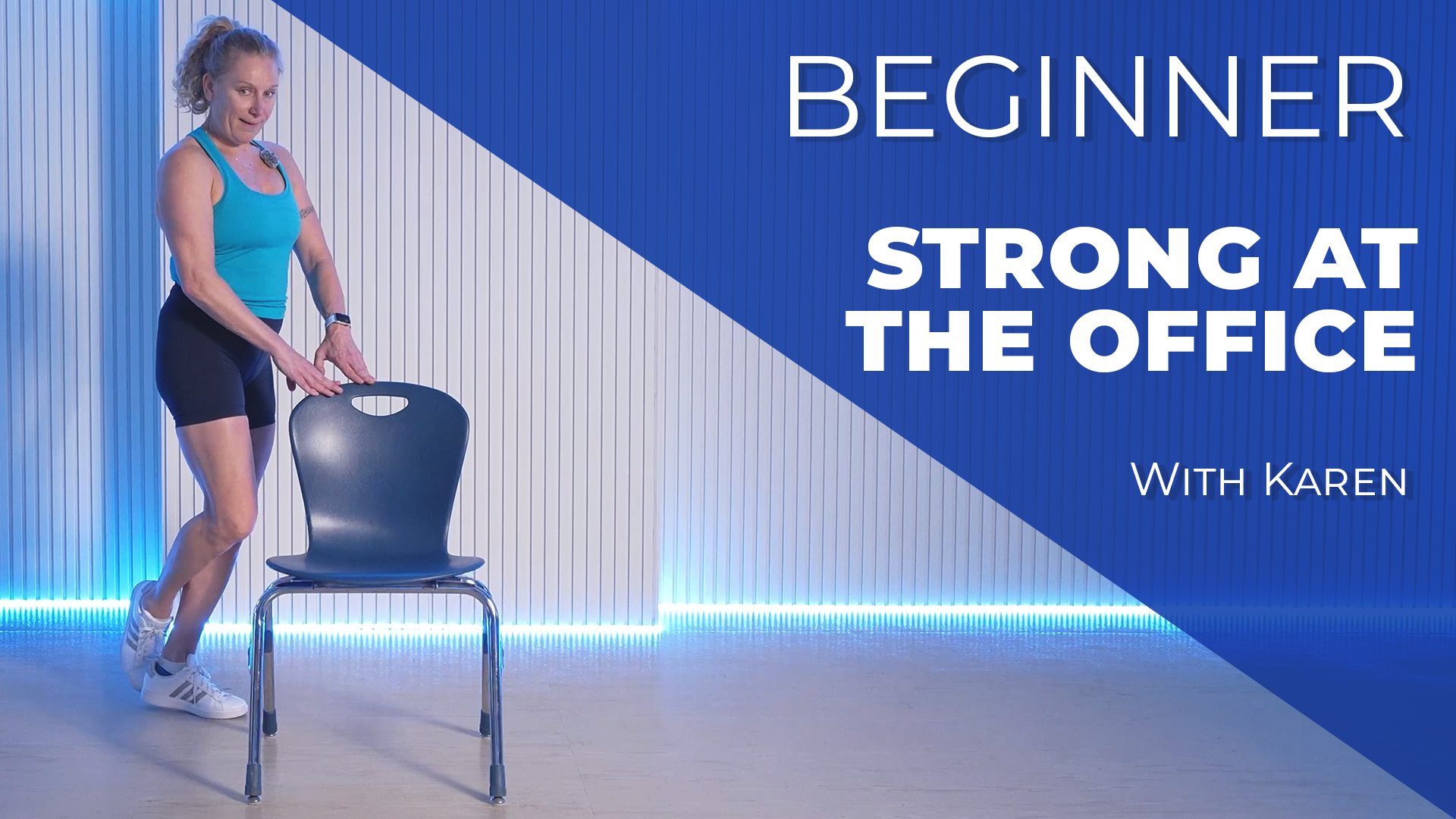
Try this seated strength workout when it’s too hot to even think about going outside and to the gym. In 15 minutes, you’ll be able to keep your muscles strong, even while you’re sitting under the air conditioning.
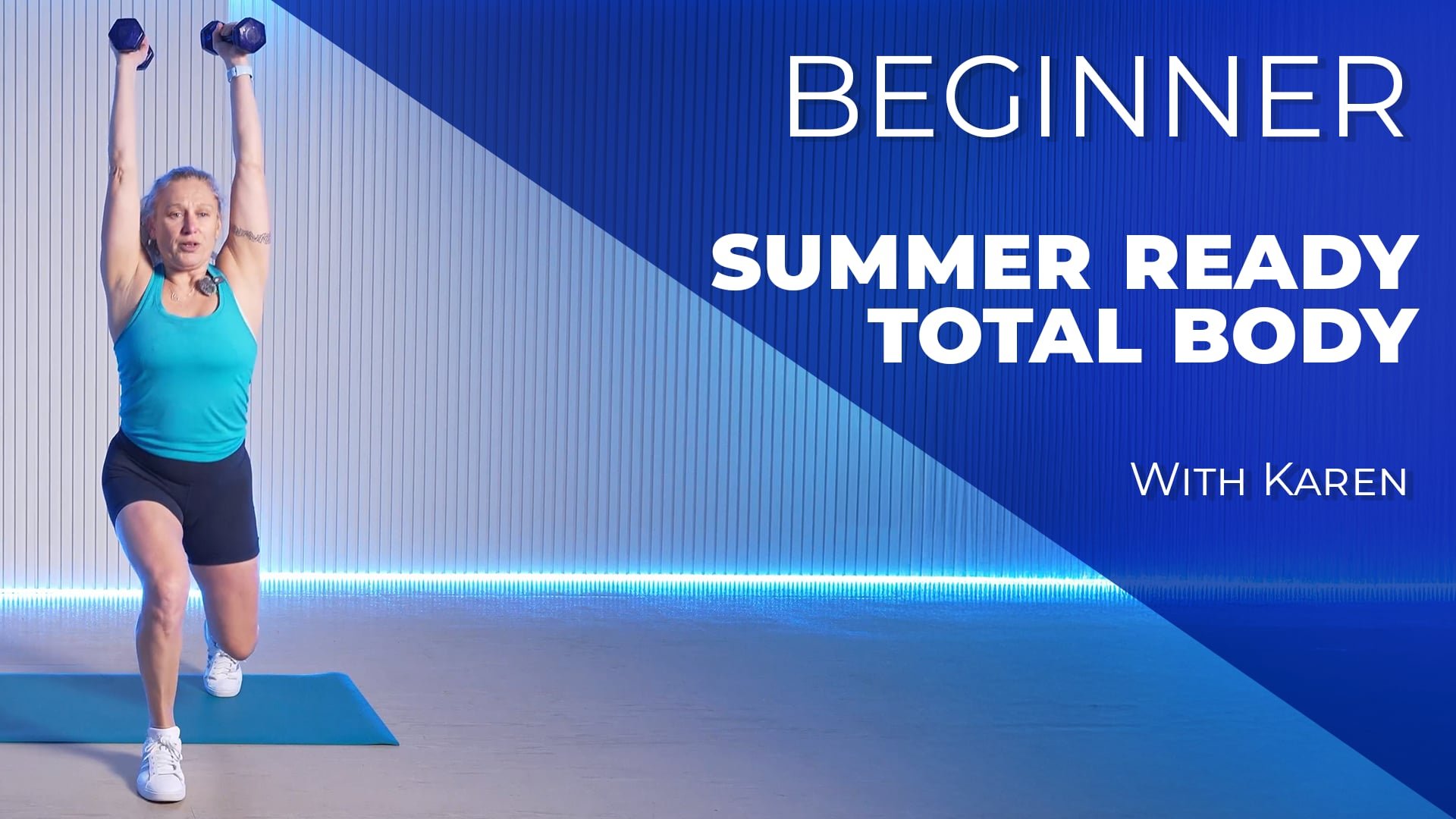
15 minutes and a set of dumbbells is all you need to get your workout checked off for the day, even in the heat. Try doing it once in the morning and once in the evening if you normally do a longer workout to keep sessions short and comfortable.
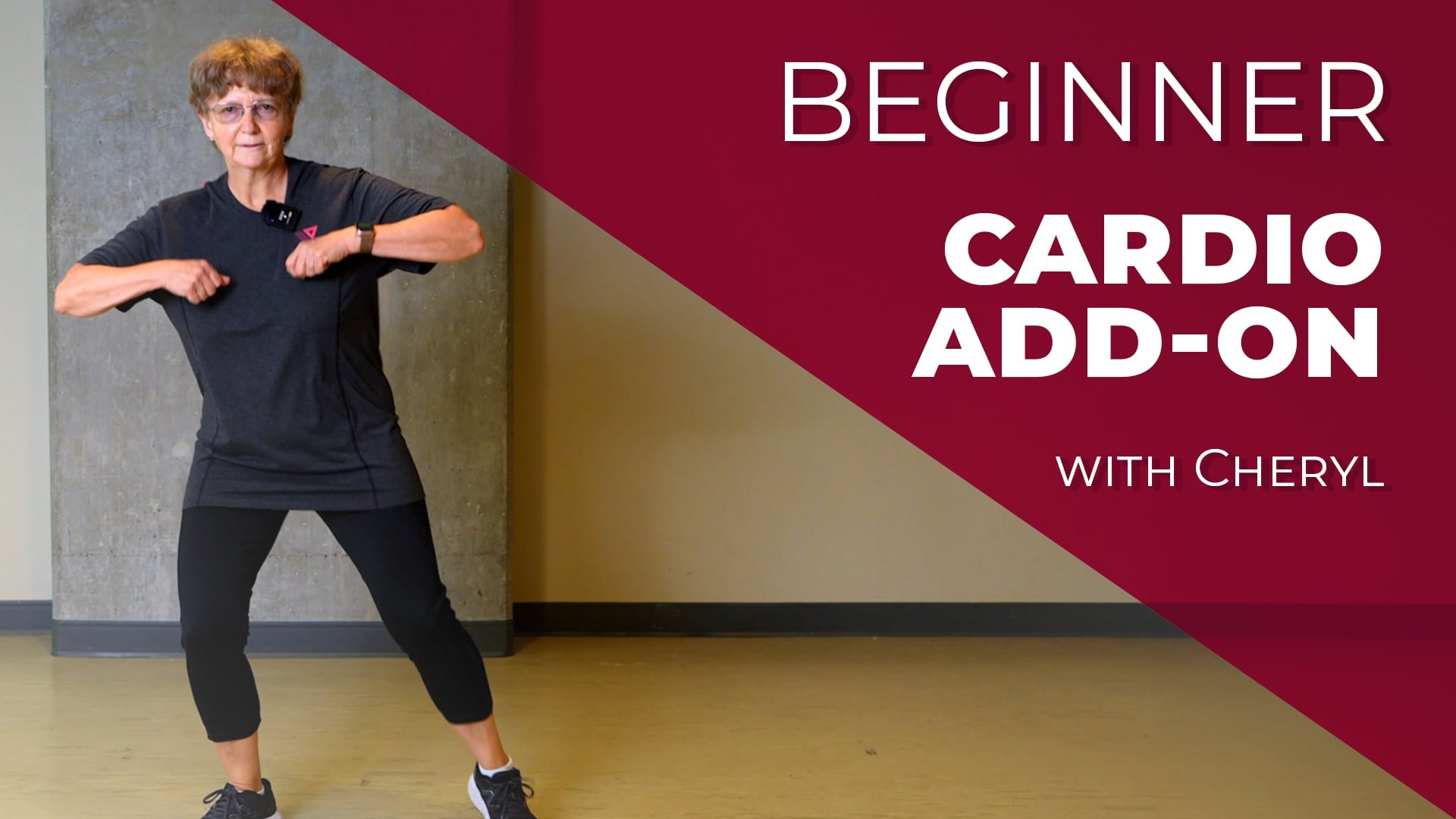
A low-impact, low-intensity cardio workout is perfect for hot days when you still want to get some brisk movement in. Cheryl coordinates her movements to the music to not only work your body, but your brain too!
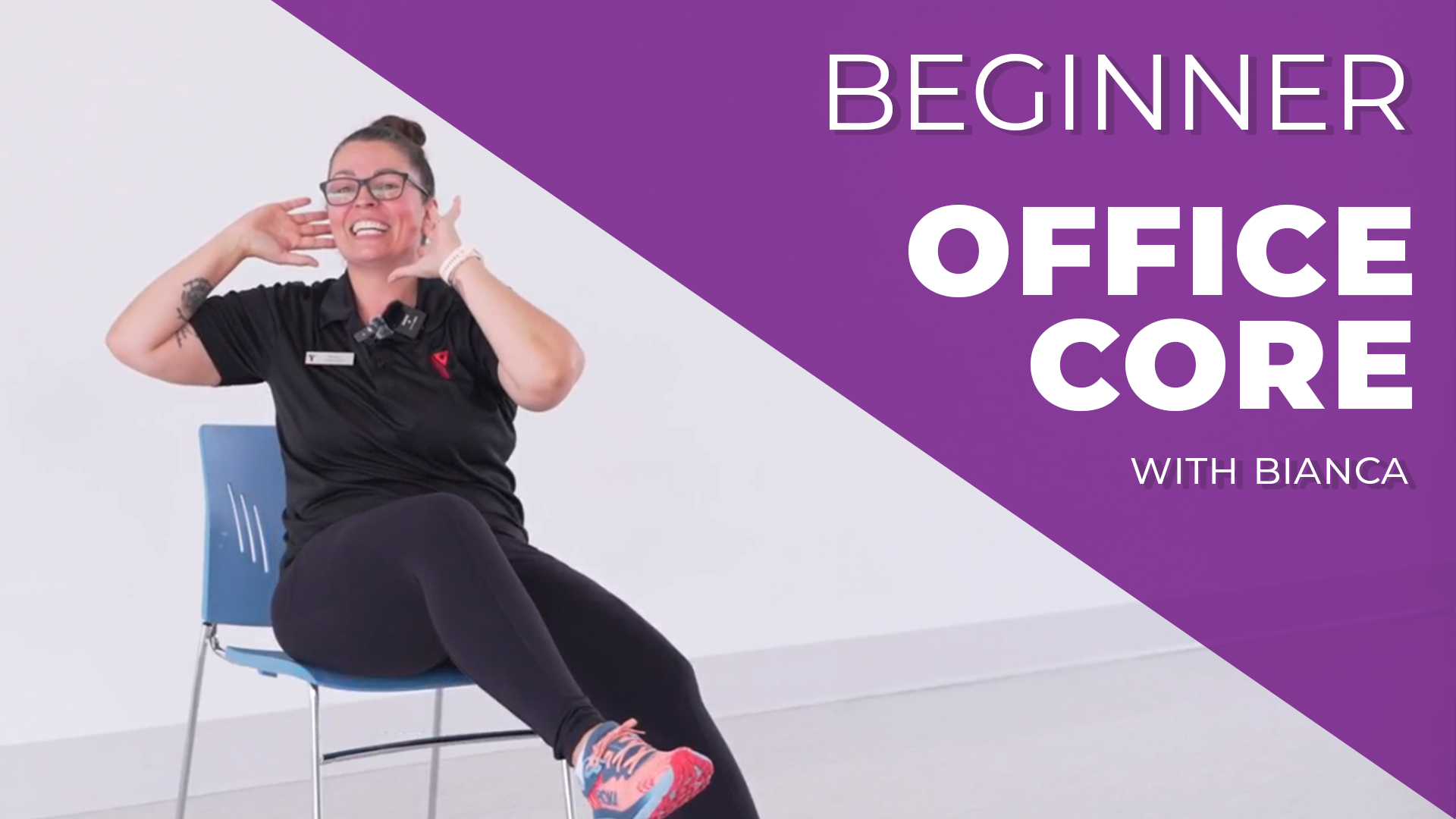
Seated Core Workout (Y@HOME+ Members Content)
Can you get a core workout while sitting on the couch? You bet you can! Bianca shows you easy core strengthening moves while seated, so you can squeeze in a workout during the commercial break!
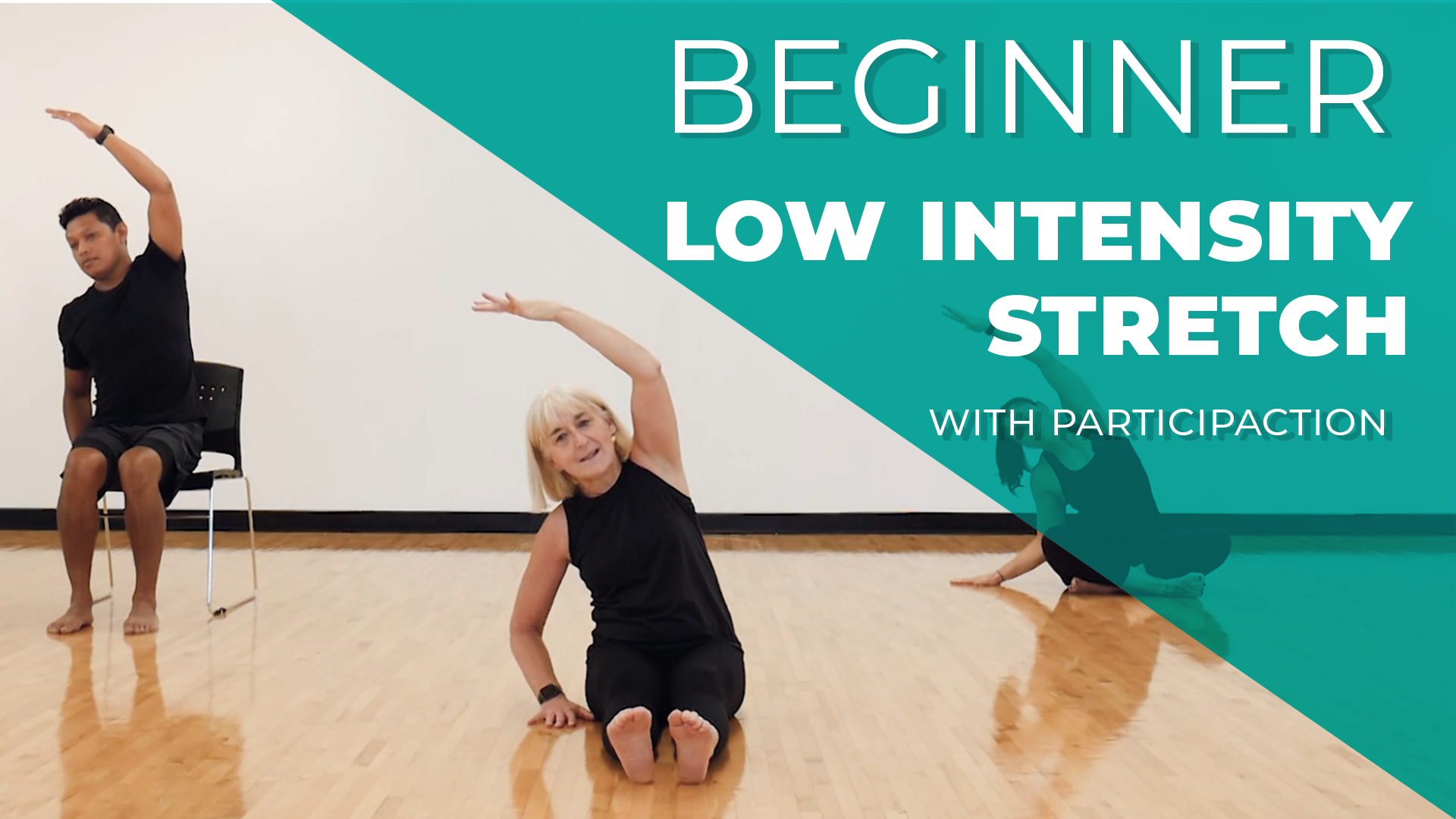
Have an active recovery day with ParticipACTION’s low intensity stretch routine. The heat can leave us feeling weak and sluggish, but a simple stretching routine can help invigorate and energize our bodies, without the extra sweat.
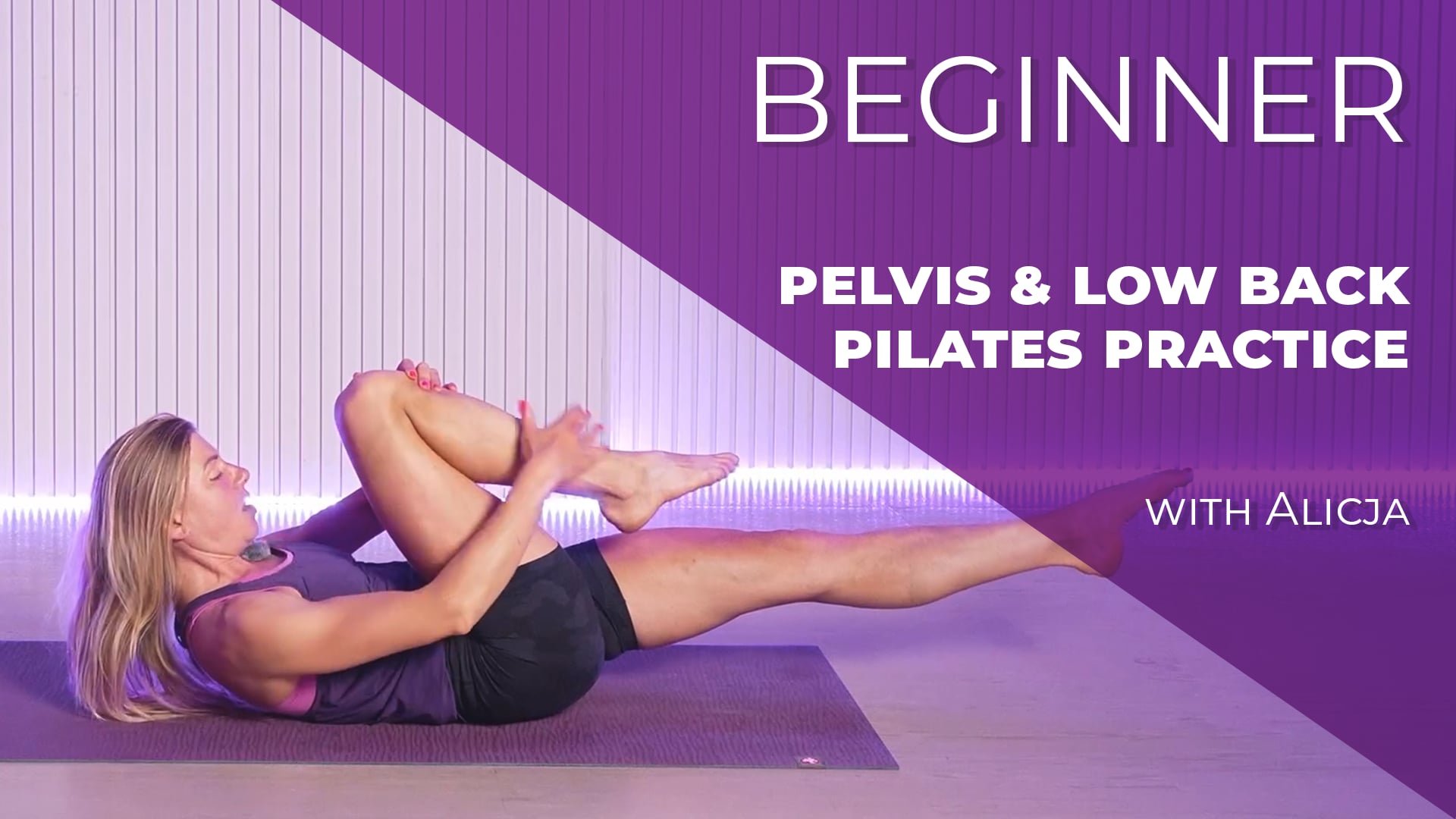
Pelvis and Lower Back Pilates (Y@HOME+ Members Content)
Avoid the heat and stay at home with Alicia’s Pilates workouts. Work the deep muscles around your spine and pelvis in this core-focused workout.