Unlocking the Power of Pelvic Floor Health - Strengthen Your Pelvic Floor with our Recommended Videos!
Whether you’re male or female, middle-aged or older, a strong pelvic floor is a critical component of your health.
The pelvic floor is a group of muscles and connective tissue at the base of the pelvis, which performs essential functions for your overall body, namely:
Controlling the bladder, bowels and uterus, and passages which allow us to pass waste freely.
Offering stability and support by acting as a hammock to support our pelvic organs from below, and stabilizing our pelvis and spine.
Our pelvic floor muscles also connect to our core, including the abdominals, glutes and diaphragm, and a weak or tight pelvic floor can affect other parts of your body.
While many of us don’t notice the work our pelvic floor does on a day-to-day basis, it can experience changes as we age. Just like with the rest of our muscles, the pelvic floor experiences wear and tear as we get older, often resulting in weaker and less agile muscles and leading to common problems such as incontinence, pelvic pain and even back pain.
That’s not to say that these symptoms are inevitable as we age – many challenges associated with a weak or tight pelvic floor can be prevented with daily exercises focusing on the core and pelvic area.
Pilates is known to specifically focus on engaging your pelvic floor (and thereby strengthening it), as well as your core and your diaphragm. It provides a great basis to start developing bodily awareness that you can then bring into your other fitness activities. Common yoga poses such as child’s pose, happy baby and yogi squat can help relax a tight or stiff pelvic floor. While Pilates may be best known for pelvic floor strengthening, yoga, tai-chi and lifting weights are all beneficial.
If your symptoms are bothering you in day-to-day life, we recommend seeing a specialist, whether that’s a pelvic floor physiotherapist, or seeing your regular healthcare practitioner for advice and a possible referral.
If you're looking to strengthen your pelvic floor as part of your regular fitness routine, try our recommended videos below!
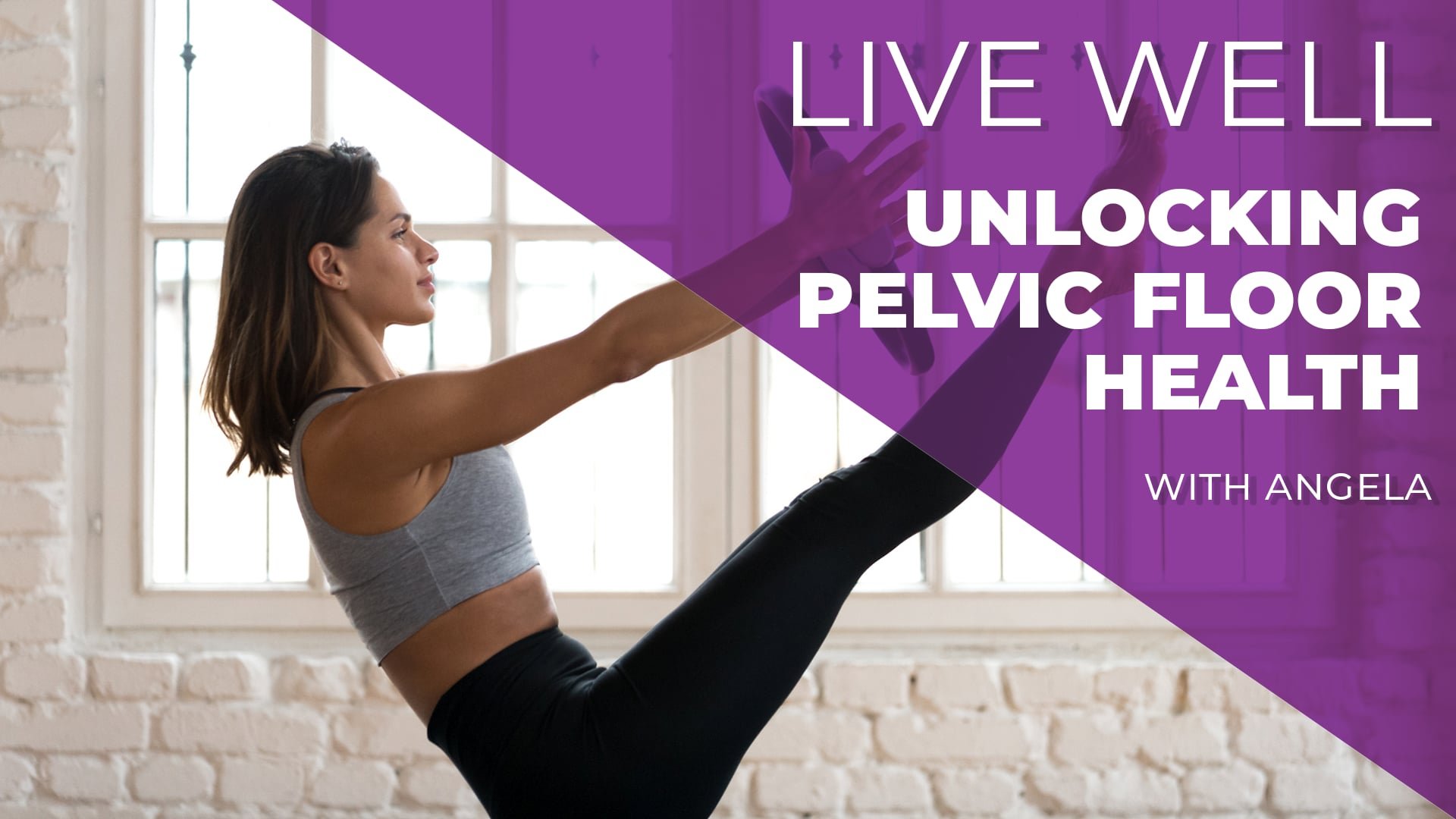
Unlocking the Power of Pelvic Floor Health (Members only content)
Whether you’re male or female, middle-aged or older, a strong pelvic floor is a critical component of your health, supporting your internal organs and playing a crucial role in anything from core stability to back pain, as well as incontinence and the health of our sexual organs. Yet many people are unaware of its importance until problems arise.
Join Angela Driscoll to break down the anatomy and function of the pelvic floor, explore common issues such as incontinence, pelvic pain, and dysfunction, and provide practical movements you can do everyday to strengthen yours.
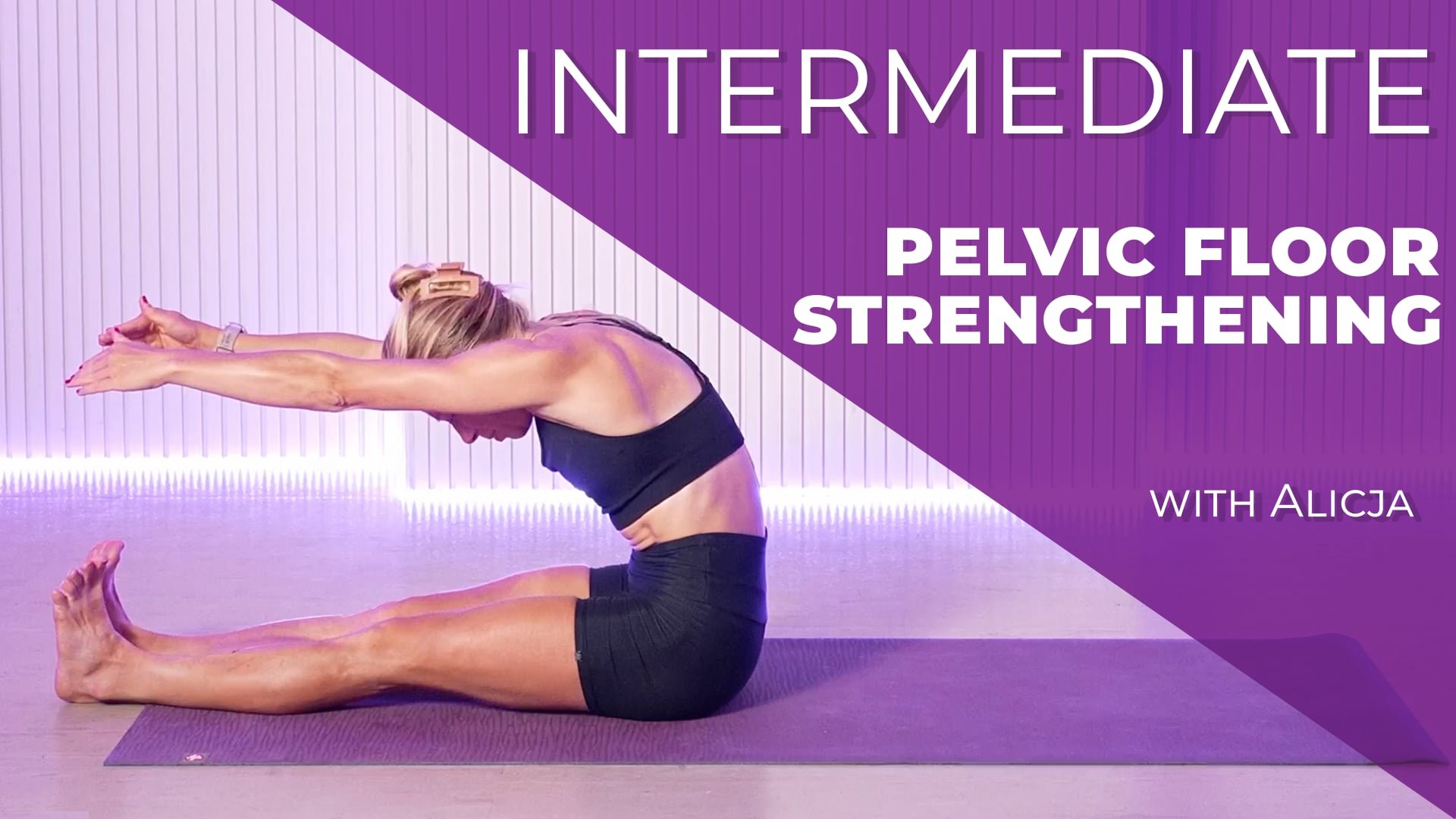
Strength starts from the pelvis. In this Pilates session, Alicia guides you through gentle pelvic floor movements to restore pelvic strength. Supporting postnatal recovery, menopause, and overall spinal health, these exercises help you reconnect with your pelvic muscles and feel stronger from the inside out.
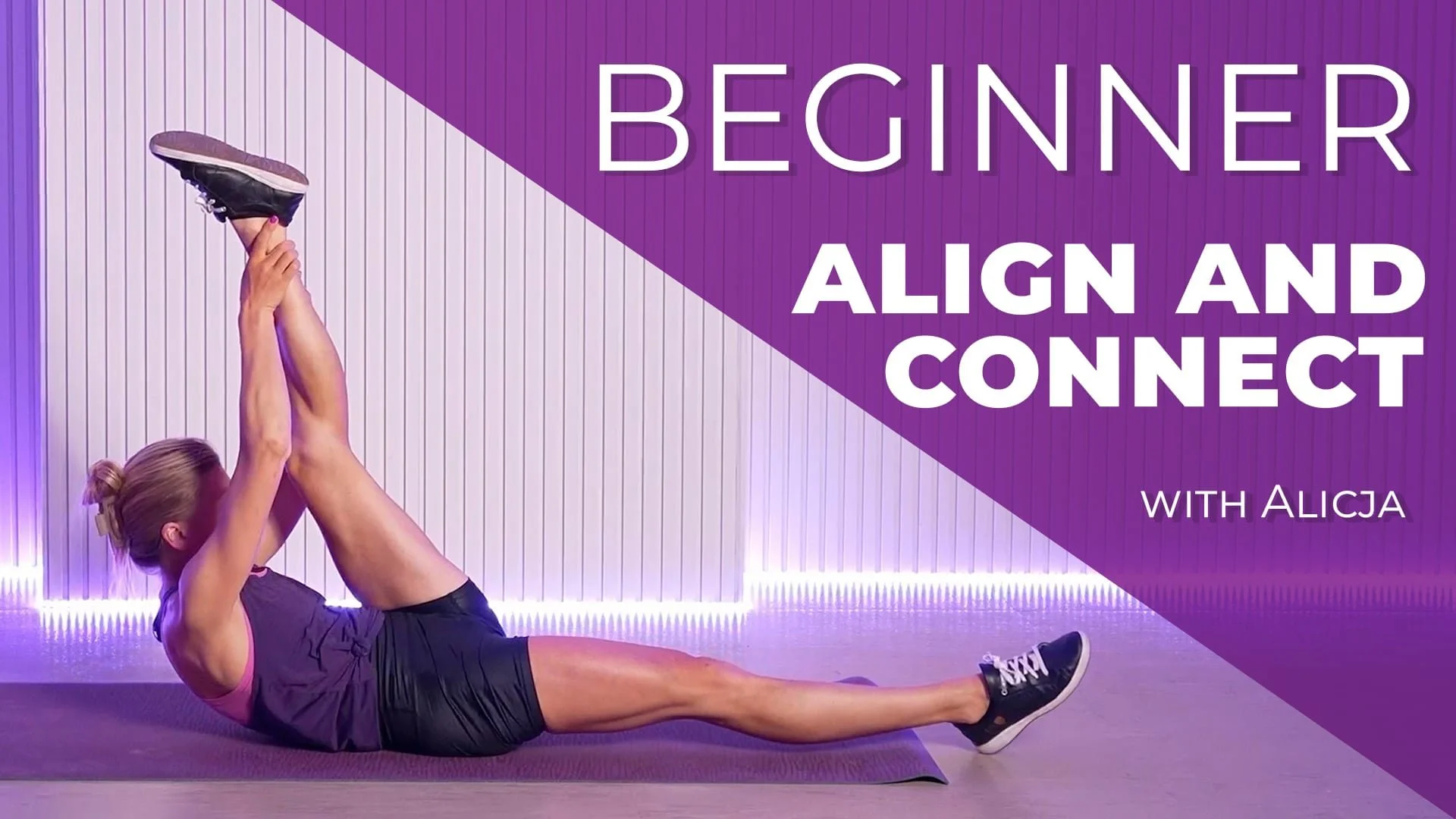
This Pilates session focuses on deep core engagement to enhance your strength and control. By engaging your center, you’ll improve alignment and balance and develop greater whole-body awareness through core movements.
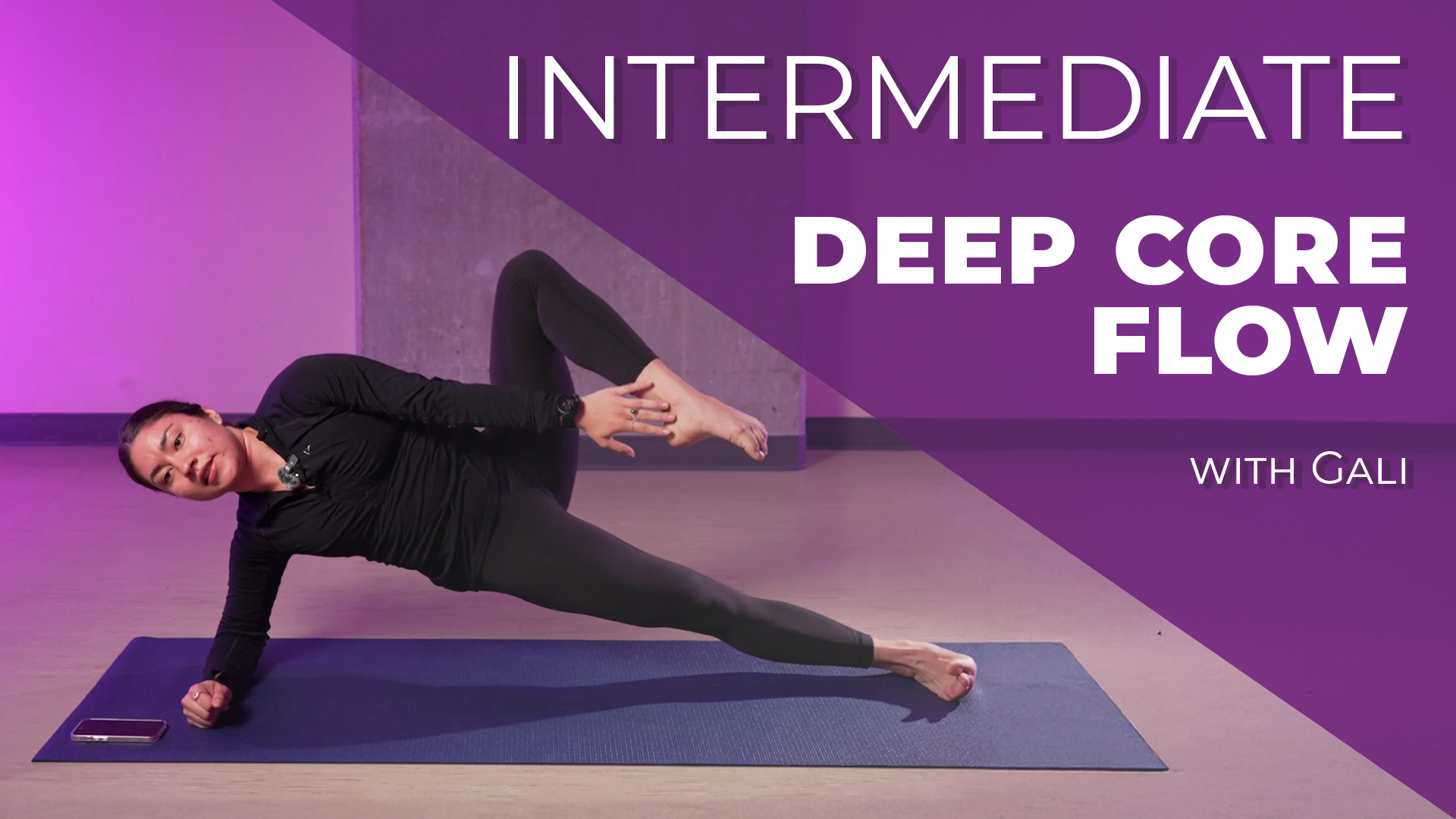
Add this to your regular yoga or Pilates routine, use it as a warm-up to a strength workout, or even just as your standalone core workout for the day.

Chair Pilates (Members only content)
The short class is entirely completed sitting in the chair, making it great for beginners, seniors, or those with mobility issues. This class aims to improve core strength, mobility and overall body awareness. We begin this class with a simple breathing exercise to help participants relax, followed by a series of gentle yoga postures that are modified to be performed in a chair.
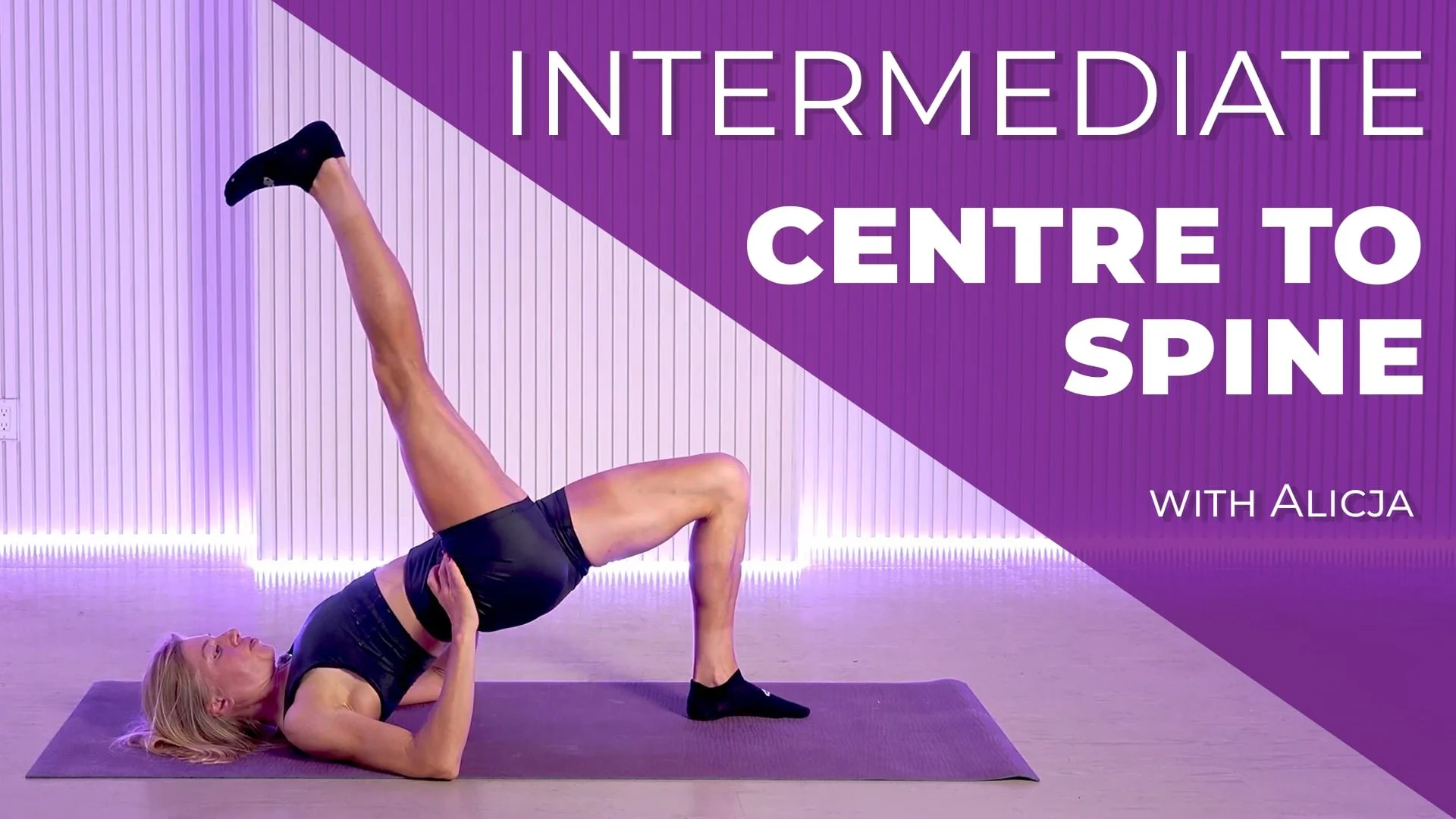
Let’s work that deep core! In this Pilates session, you’ll isolate and strengthen your abdominal muscles, lengthen your spine, and improve your mobility. This intermediate practice also builds hip stability, leaving your body feeling aligned and supported.